 Reviews


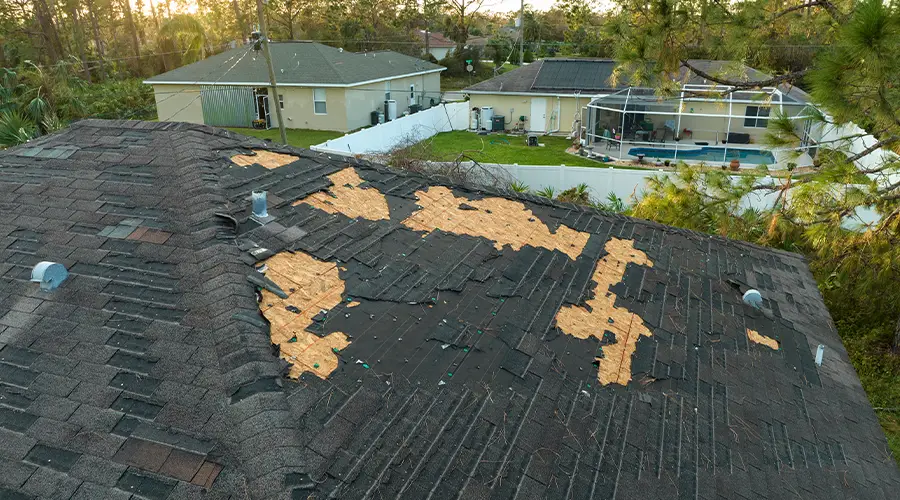
Your roof protects your home from rain, wind, heat, and outside moisture every day. When it is in good condition, it helps keep your interior dry, supports energy efficiency, and protects the overall structure of the house. But when roofing problems begin, they often start small and quietly. Many homeowners do not realize there is an issue until the damage spreads indoors.
The problem is that roof damage rarely fixes itself. A minor issue can turn into a much larger repair if it is ignored for too long. That is why it is important to recognize the most common roofing problems early and respond before they lead to expensive interior damage, mold growth, or structural concerns. In this guide, we will cover the roofing issues homeowners should never ignore and explain why fast action matters.
Why Roofing Problems Should Be Addressed Early?
Your roof is a system made up of shingles, flashing, underlayment, ventilation, and structural support. When one part starts to fail, other parts can be affected too, making timely roof repair essential. A single weak spot may allow water in, reduce energy efficiency, or create stress on nearby materials.
Fixing roofing issues early can help you:
- Prevent interior water damage
- Avoid mold and mildew growth
- Protect attic insulation
- Extend the lifespan of your roof
- Reduce the chance of major repair costs later
- Keep your home safer during storms and heavy rain
Early attention often means simpler repairs and fewer surprises.
1. Roof Leaks
A roof leak is one of the most serious and most common roofing problems. Even a small leak can allow moisture to travel into insulation, wood framing, drywall, and ceilings. What looks minor at first can quickly become a bigger issue inside the home.
Leaks often develop around vulnerable areas such as:
- Damaged shingles
- Roof valleys
- Skylights
- Chimneys
- Plumbing vents
- Flashing seams
Some homeowners only notice a leak during heavy rain, while others first spot a ceiling stain or damp smell in the attic. Either way, it is important to have the source identified and repaired as soon as possible.
2. Missing or Damaged Shingles
Shingles are the outer protective layer of many residential roofs. When they crack, curl, loosen, or go missing, the roof becomes more exposed to weather damage. Wind, sun, rain, and age can all weaken shingles over time.
Watch for these signs of shingle damage:
- Corners that are lifting or curling
- Cracked or brittle surfaces
- Bald patches where granules are gone
- Loose shingles after a storm
- Sections of the roof with visible gaps
A few damaged shingles may be repairable. However, widespread shingle problems can be a sign that the roof is aging and may need more than a small patch.
3. Flashing Failure
Flashing is the thin metal material placed around roof features to block water from entering where the roof meets an opening or edge. It is commonly installed around chimneys, skylights, vents, and wall connections.
If flashing becomes loose, rusted, bent, or improperly sealed, water can slip into these joints and create hidden moisture damage. Because flashing issues are not always easy to spot from the ground, they may go unnoticed until a leak appears indoors.
Flashing problems should never be ignored because they often affect some of the most leak-prone areas of the roof.
4. Clogged or Damaged Gutters
Although gutters are not part of the roof covering itself, they play a major role in protecting the roofing system. Gutters direct rainwater away from the roof and foundation. When they become clogged with leaves, debris, or granule buildup, water may back up onto the roof edge.
This can lead to:
- Water intrusion under shingles
- Rot near the roofline
- Fascia damage
- Overflow near the home’s foundation
- Moisture problems around exterior walls
Regular gutter cleaning and inspection can help prevent these issues from affecting the roof.
5. Sagging Roof Sections
A sagging roof is a serious warning sign that may point to trapped moisture, damaged decking, or structural weakness beneath the surface. A healthy roof should look straight and level when viewed from the ground.
If you notice dips, uneven areas, or low spots, do not wait to have it checked. Sagging can indicate long term water damage or support problems that may worsen over time. In some cases, it can even create safety risks if the structure continues to weaken.
6. Granule Loss on Asphalt Shingles
Asphalt shingles are coated with granules that help protect them from sunlight and weather wear. Over time, some granule loss is normal. However, heavy granule buildup in gutters or around downspouts can be a sign that the shingles are deteriorating faster than they should.
When shingles lose too many granules, they become more vulnerable to cracking, drying out, and leaking. This problem is especially important on older roofs, where the protective surface may already be wearing thin.
7. Poor Roof Ventilation
Ventilation may not be the first thing homeowners think about, but it has a big impact on roof performance. Poor attic ventilation can trap heat and moisture inside the home, which may shorten the life of roofing materials and affect indoor comfort.
Signs of ventilation problems can include:
- Excess heat in the attic
- Moisture buildup or condensation
- Mold in attic spaces
- Higher cooling bills in warm seasons
- Premature aging of shingles
A roof that cannot breathe properly may wear out faster and contribute to ongoing moisture issues.
8. Moss, Algae, or Organic Growth
Dark streaks and green patches on a roof can sometimes look like a cosmetic issue, but they may also point to trapped moisture. Moss is especially problematic because it can grow between shingles, lift them slightly, and hold moisture against the roof surface.
Over time, that moisture can weaken roofing materials and increase the chance of leaks. Organic growth is more common in shaded, damp areas where the roof does not dry quickly after rain.
Cleaning alone may help the appearance, but if the growth keeps returning, the roof should be evaluated for deeper moisture or drainage problems.
9. Interior Signs That Point to Roof Trouble
Sometimes the roof sends warning signs through the inside of the home before obvious damage is seen outdoors. Homeowners should pay close attention to upper rooms, ceilings, and attic areas for clues.
Interior signs that may point to a roofing problem include:
- Brown or yellow ceiling stains
- Peeling paint near the roofline
- Damp attic insulation
- Musty odors in upper rooms
- Visible mold near ceilings or corners
These warning signs suggest that moisture may already be entering the home, even if the source is not obvious from outside.
What Causes Common Roofing Problems
Roofing issues can develop for many reasons, and more than one factor is often involved. Common causes include:
- Storm damage from wind, hail, or falling debris
- Aging materials that have reached the end of their lifespan
- Poor installation or past repair work
- Lack of regular maintenance
- Clogged drainage systems
- Heat and moisture buildup in the attic
Understanding the cause helps roofing professionals recommend the right repair and prevent the issue from returning.
When to Call a Roofing Professional?
Homeowners should call a roofing professional when they notice visible damage, recurring leaks, or any signs that moisture may be affecting the home. Waiting too long can increase the size and cost of the repair.
A professional inspection is especially important when:
- The roof has storm damage
- Leaks have appeared more than once
- The roof is more than 15 to 20 years old
- Shingle wear is visible across large sections
- Interior stains suggest moisture intrusion
An experienced roofer can identify both visible and hidden problems before they become more severe.
Final Thoughts
Common roofing problems may start small, but they can quickly become expensive if left untreated. Leaks, missing shingles, flashing failure, clogged gutters, sagging sections, granule loss, poor ventilation, and moss growth are all signs your roof may need attention.
The best way to protect your home is to act early. A timely inspection and proper repair can help you avoid major damage, preserve the life of your roof, and keep your home safe and dry in every season.